
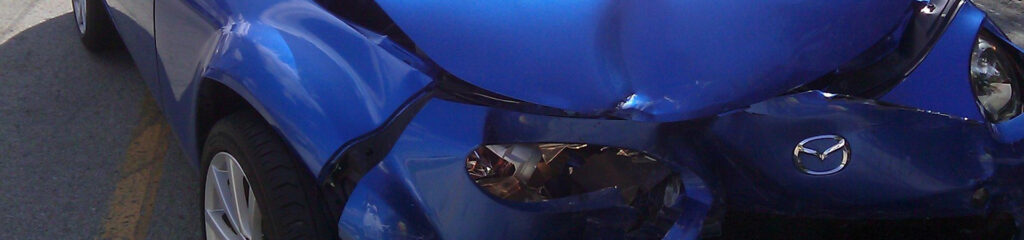
Summer is one of the busiest times of year for accidents. Between road trips, crowded parking lots, teen drivers out of school, and heavier traffic, even a minor fender bender can happen in seconds.
And while it may seem like “just a scratch,” modern vehicles – especially luxury and European models – often have hidden damage beneath the surface, including sensors, cameras, and structural components.
Knowing what to do immediately after a summer fender bender can protect your safety, your insurance claim, and your vehicle’s long-term value.
Here’s your step-by-step guide.
Step 1: Check for Injuries First
Before worrying about your car, check yourself and passengers for injuries.
If anyone is hurt:
- Call 911 immediately
- Stay where you are unless unsafe
- Wait for emergency responders
Even low-speed collisions can cause injuries that aren’t obvious right away.
Your health comes first.
Step 2: Move to a Safe Location (If Possible)
If the vehicle can safely move:
- Pull off to the side of the road
- Turn on hazard lights
- Stay out of active traffic
Summer accidents often happen in busy intersections, parking lots, and highways where secondary collisions are a major risk.
Safety matters more than vehicle positioning.
Step 3: Call the Police
Even for minor accidents, having an official report can help protect you.
A police report helps with:
- Insurance claims
- Determining fault
- Documenting the incident
- Preventing disputes later
In California, this can be especially important if hidden damage appears later.
Step 4: Take Photos of Everything
Documentation is one of the most important steps.
Take photos of:
- Vehicle damage
- License plates
- The entire accident scene
- Road conditions
- Traffic signs
- Skid marks
- Weather conditions
Summer glare, heavy traffic, and crowded lots can all become relevant during a claim.
Take more photos than you think you need.
Step 5: Exchange Information
Get:
- Name
- Phone number
- Driver’s license
- Insurance information
- Vehicle make/model
- License plate number
Stay calm and professional.
Avoid discussing fault at the scene.
Step 6: Look Beyond the Visible Damage
Modern vehicles hide critical systems behind bumpers and body panels.
A minor hit could affect:
- ADAS sensors
- Blind spot monitoring
- Parking sensors
- Radar calibration
- Frame alignment
- Camera systems
What looks minor may not be minor.
This is especially true for luxury vehicles like BMW, Porsche, Volvo, Mercedes-Benz, and Audi.
Step 7: Contact Your Insurance Company
Report the accident as soon as possible.
Be ready with:
- Photos
- Police report
- Driver information
- Location details
- Time of accident
Summer claim volume tends to be higher, so reporting early can help move the process faster.
Step 8: Choose the Right Collision Repair Center
This is one of the most important decisions you’ll make.
Not all body shops repair vehicles to manufacturer standards.
At Scandinavian Coachcraft, we focus on:
- OEM repair procedures
- Manufacturer-approved parts
- Advanced diagnostics
- ADAS recalibration
- Precision structural repair
Choosing the right shop protects your vehicle’s safety, value, and performance.
Step 9: Don’t Delay Repairs
Waiting can make things worse.
Small damage can lead to:
- Rust and corrosion
- Sensor failures
- Paint deterioration
- Alignment problems
- Safety system issues
Summer heat can accelerate damage, especially to paint and exposed materials.
Final Thoughts
A summer fender bender can feel stressful, but taking the right steps immediately can make the process smoother.
Protect yourself.
Document everything.
Choose quality repairs.
At Scandinavian Coachcraft, we help guide clients through every stage of the repair process, from insurance communication to final delivery, so you can feel confident your vehicle is repaired properly.